
"global coffee growing regions"
700 article(s) found
Global coffee brand Rwanda bid for coffee bean sheikh coffee how is the taste of Rwandan coffee
Because of the dense mountains and humid climate in Rwanda, the coffee beans produced in Rwanda are rich in aroma, naturally fruity and floral. There are five major coffee producing areas in Rwanda, and the coffee produced in these five regions is slightly different in aroma and taste. The coffee from Rwanda tastes sour, but it has a lingering aftertaste. Good coffee is like Chinese tea, it feels sweet only after drinking it. Mustafa method

Boutique coffee Panamanian coffee bean coffee manor Ireta manor
Panamanian coffee originated in 1780, when European immigrants introduced the first Tipica tree species. Located in Central America, with the natural advantages of sunshine, land and mountains, coupled with a sufficient working population, the region is an excellent area for growing and producing high-quality boutique coffee, and it is a paradise for coffee. In particular, the Geisha coffee from Panama has led to the global customs.

The basic knowledge of Coffee Tree planting
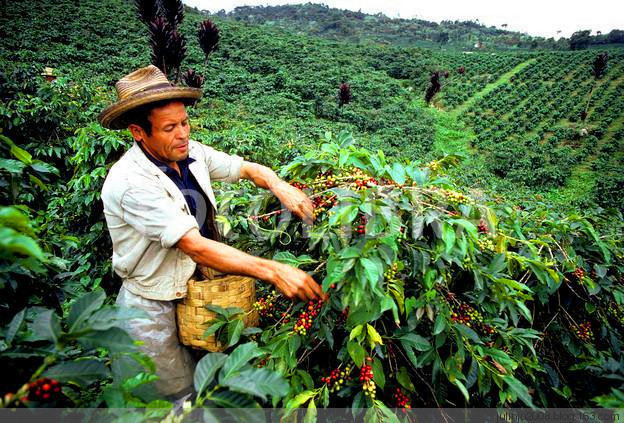
Coffee is now widely grown in the ribbon between the Tropic of Cancer. Coffee grown in different regions has different tastes. The unique soil, climatic conditions and planting methods of a country make the coffee produced in that country have a unique flavor. French winemakers call this phenomenon regional style. Geographically, there are three global coffee growing areas.

Learn about the planting of coffee trees
Coffee is now widely grown in the ribbon between the Tropic of Cancer. Coffee grown in different regions has different tastes. The unique soil, climatic conditions and planting methods of a country make the coffee produced in that country have a unique flavor. French winemakers call this phenomenon regional style. Geographically, there are three global coffee growing areas.
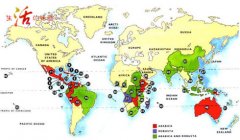
General knowledge of boutique coffee beans map of global coffee producing areas
Coffee trees grow in tropical or subtropical agricultural gardens centered around the equator and called coffee belts. Most of the coffee production is between the Tropic of Cancer, 25 degrees north of the tropical or subtropical equator and 30 degrees south of the equator. An area with an annual average temperature of 16-25 degrees Celsius, no Frosts Descent and rainfall of 1600-2000 mm.
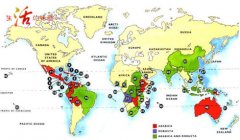
Coffee training knowledge: global Coffee producing area Map
Coffee trees grow in tropical or subtropical agricultural gardens centered around the equator and called coffee belts. Most of the coffee production is between the Tropic of Cancer, 25 degrees north of the tropical or subtropical equator and 30 degrees south of the equator. An area with an annual average temperature of 16-25 degrees Celsius, no Frosts Descent and rainfall of 1600-2000 mm.

Boutique coffee Panamanian coffee manor Panamanian coffee producing coffee beans
Panamanian coffee originated in 1780, when European immigrants introduced the first Tipica tree species. Located in Central America, with the natural advantages of sunshine, land and mountains, coupled with a sufficient working population, the region is an excellent area for growing and producing high-quality boutique coffee, and it is a paradise for coffee. In particular, the Geisha coffee from Panama has led to the global customs.
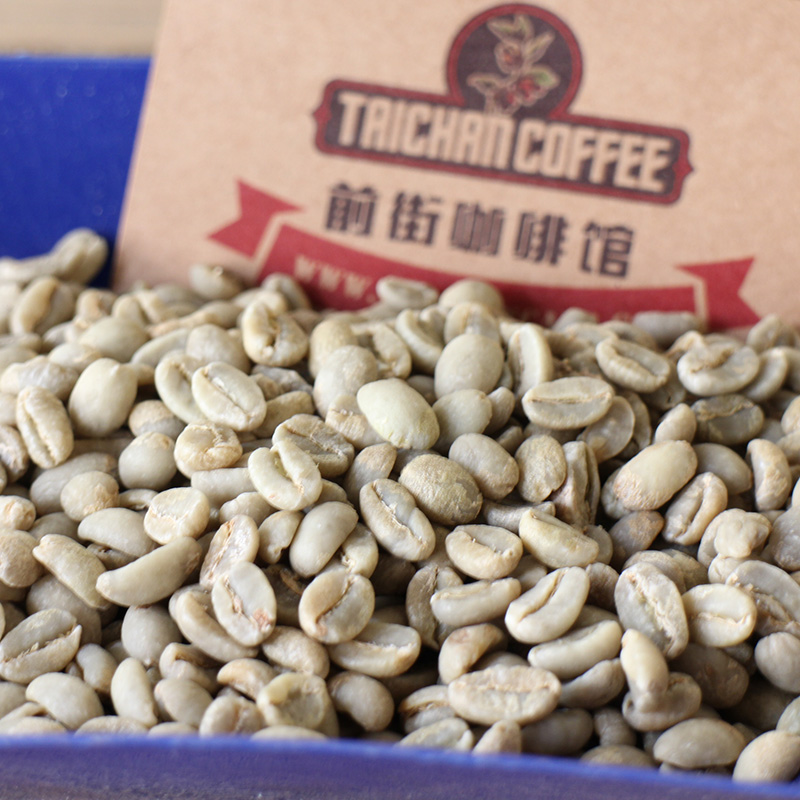
Panama Baru volcano love god Cupid year high altitude raw bean rose summer content 30% Kadu Ekadura
Panamanian coffee originated in 1780, when European immigrants introduced the first Tipica tree species. Located in Central America, with the natural advantages of sunshine, land and mountains, coupled with a sufficient working population, the region is an excellent area for growing and producing high-quality boutique coffee, and it is a paradise for coffee. In particular, the Geisha coffee from Panama has led to the global customs.
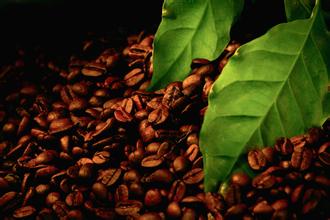
Panamanian Coffee processing method Honey treatment and traditional washing
Panamanian coffee originated in 1780, when European immigrants introduced the first Tipica tree species. Located in Central America, with the natural advantages of sunshine, land and mountains, coupled with a sufficient working population, the region is an excellent area for growing and producing high-quality boutique coffee, and it is a paradise for coffee. In particular, the Geisha coffee from Panama has led to the global customs.

Costa Rican coffee bean industry introduces the place of production
This coffee producer, with all grades and types of coffee, accounts for 1/3 of the global consumption and accounts for a share of the global coffee market, although the natural disasters faced by Costa Rica are several times higher than those in other regions. but its arable area is enough to make up for it. There are many kinds of coffee here, but its industrial policy is abundant and cheap, so it is excellent.

Boutique coffee Panamanian coffee flavor Balu volcano in Panama producing area
Panamanian coffee originated in 1780, when European immigrants introduced the first Tipica tree species. Located in Central America, with the natural advantages of sunshine, land and mountains, coupled with a sufficient working population, the region is an excellent area for growing and producing high-quality boutique coffee, and it is a paradise for coffee. In particular, the Geisha coffee from Panama has led to the global customs.
Coffee planting Coffee Tree
Coffee cultivation now, in the belt between the Tropic of Cancer and the Tropic of Cancer, coffee is widely grown. Coffee grown in different regions has different flavors. The unique soil, climatic conditions and planting methods of a country make the coffee produced in that country have a unique flavor. French winemakers call this phenomenon regional style. Geographically, a global coffee growing area

To cater to Asian tastes for chewing, Starbucks has launched three new Frappuccino products.
Pudding in your coffee? Star Frappuccino with jelly and crispy waffles? A perfect drink has not only a good taste, but also a complete sensory experience, such as attractive aroma and charming appearance. For Asian consumers, the unique taste and texture have also become part of the sensory experience of Frappuccino. Recently, Starbucks launched three kinds of Frappuccino in Asia.

Global Coffee producing area-Hawaii Coffee Market
Hawaii (Hawaii) after nearly two centuries of efforts to grow coffee, the term Kona is almost synonymous with "quality". Hawaii has superior geographical conditions for growing coffee, but historically, the road to growing coffee has been rugged since coffee trees were first introduced to the island in 1825. Even today, it's beyond human control.

Talk about the basic knowledge of growing fine coffee
Coffee is now widely grown in the ribbon between the Tropic of Cancer. Coffee grown in different regions has different flavors. The unique soil, climatic conditions and planting methods of a country make the coffee produced in that country have a unique flavor. French winemakers call this phenomenon regional style. Geographically, there are three global coffee growing areas

Take stock of the global origin of high-quality coffee beans (2)
Coffee in Indonesia is produced throughout the island of Indonesia. Java occupies an extremely important position in the history of coffee. The best growing areas are in Java, Sumatra, Sulawesi and Frances. On the whole, Indonesian coffee has a strong taste, mellow taste and good acidity. Java produces exquisite aromatic coffee with relatively low acidity and delicate taste.

Panamanian SHB boutique manor Coffee Pokui special area Cupid Manor
Nama Coffee originated in 1780 when European immigrants introduced the first Tipica tree species. Located in Central America, with the natural advantages of sunshine, land and mountains, coupled with a sufficient working population, the region is an excellent area for growing and producing high-quality boutique coffee, and it is a paradise for coffee. In particular, Geisha coffee from Panama has attracted global attention.
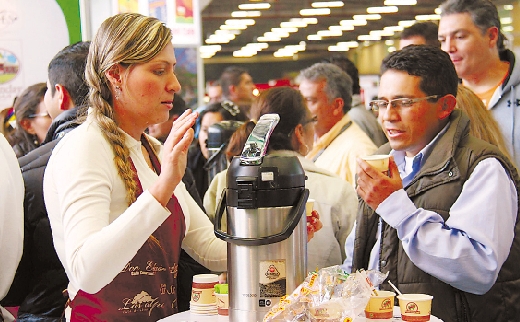
Coffee may become a luxury in the future. Can new products be cultivated to cope with the coffee crisis?
Visitors sip coffee at the Colombia International Coffee Show. (Source: Xinhua Agency) China Daily, August 7 (Xinlian) According to the BBC, when we drink latte or espresso while reading newspaper headlines, we don't feel much threat from climate change. But travel thousands of miles to where coffee originated, and you can really see
"New Coffee"-- the situation of breaking the "tradition" and "the unity of the world"
Coffee ranks first among the three largest beverages in the world, is the second largest trade commodity in the world (only after oil), and is an important raw material for medicine, food and light chemical industry. At present, the global coffee culture and drinking coffee are woody coffee, and mainly produced in Vietnam, Brazil, Colombia, Indonesia and other Central America, Africa, Asia and other regions near the equator. There are only clouds in our country.

The global distribution of coffee the growth habits of coffee
Coffee is a kind of drink that gives the public the impression that it is black, bitter, sleepless and excited. The coffee beans we see in the coffee shop are tea-brown, which belongs to roasted coffee beans, while the color of the coffee liquid is amber. Coffee comes from coffee beans, which are harvested and processed from the fruit of trees.] Distribution of coffee: coffee